


Photographie
Die Liste enthält 828 Einträge. Suchergebnisse löschen und Gesamtbestand anzeigen.
| Abbildung |
Beschreibung Gesamte Buchaufnahme |
Preis EUR |
|
|---|---|---|---|
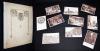 |
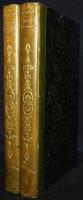
Prag – Kralovske hlavni mesto Praha. (Die königliche Hauptstadt Prag). Prag, Nakl. Obce Prazske 1911. 4°. [18] Bl. u. 30 mont. Tafeln sowie 10 Ansichtskarten in einem Umschlag am Rückendeckel. OHln. mit goldgepr. Jugendstil-Ornamentik.
Erweiterte Ausgabe des zuerst 1908 erschienenen schön ausgestatteten Ansichtenwerks, hier erstmals mit den Postkarten. – Mit Aufnahmen von Anton Bubenicek, Arnost Hofbauer, Vaclav Jansa, Adolf Kaspar, Julius Marak, Max Svabinsky, Jindr Tomec u.a. – Deckel etwas fleckig, sonst gut erhalten. Schlagwörter: Prag, Tschechien, Tschechoslowakei |
60,-- |  |
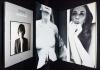 |
Bailey, David (Royston). Fotografie, 1964-1983. (A cura di Martin Harrison). Milano, Electa (1984). 4°. 98 S. mit 76 Tafeln. Illustr. OKart. (Visibilia/Fotografia).
Erste Ausgabe der ersten Werkschau des bedeutenden britischen Fotografen. – Tadellos. Schlagwörter: Aktfotografie, Aktphotographie, Modefotografie, Photography of the nude, Portrait photography, Porträtfotografie, Porträtphotographie |
120,-- | |
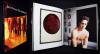 |
Pierson, Jack. The lonely life. Herausgegeben von Gerard A. Goodrow und Peter Weiermair. Mit Texten von Yilmaz Dziewior, Gerard A. Goodrow, Peter Weiermair Kilchberg/Zürich, Edition Stemmle (1996). Gr.-8°. 143, (1) S. mit 150 Farbtafeln. OPbd. mit farbig illustr. OU.
Erste deutsche Ausgabe. – Sehr gutes Exemplar der gebundenen Buchhandelsausgabe. |
50,-- | |
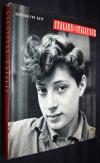 |
Matt, Leonard v. Italien und die Italiener. Ein Bildbuch mit 144 Aufnahmen und einem begleitenden Text von Guido Calgari. Zürich, Stuttgart, Fretz & Wasmuth (1958). [5] Bl. u. 144 Tafeln. OLn. mit goldgepr. Rücken- u. Deckeltitel u. illustr. OU.
Schweizer Fotobücher S. 99 (mit Abb. 31). – Erste Ausgabe. – Schutzumschlag mit geringf. Randläsuren, gutes Exemplar. Schlagwörter: Italien |
40,-- | |
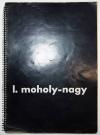 |
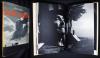
Moholy-Nagy, L(ászló). Telehor. Zvlástni cislo. – Sonderheft. – numéro spécial. – supplement. (Text: Siegfried Giedion). Brno, F. Kalivoda 1936. 4°. 134 S. mit 60 Abb. Schwarzer OKart. mit Deckeltitel u. Metallring-Heftung.
Dokumentations-Bibliothek IV, 597. Heiting, Czech and Slovak Photo publications 84, 60. – Erste Ausgabe. – Auflage ca. 300 Exemplare. – Text in tschechisch, deutsch, französisch und englisch. – Ein Teil der Auflage erschien mit einem farbig illustrierten Umschlag. – „The New Vision thesis put forword in this book argues that the camera should be left alone to record whatever happens to be before the lens: „in the photographic camera we have the most reliable aid to be a beginning of objective vision.“ This is a typically modernist call to respect the inherent qualities of a medium – form follows function – but is very different from the American purist dogma of the ‚straight‘ photography variety. Moholy-Nagy, heavily influenced by the Constructivists, embraces film, montage, typography, cameraless photography, news and utilitarian photography“ (Parr/Badger zu „Malerei – Fotografie – Film“). – Vorderdeckel geringf. berieben und am Fuß unauffällig restauriert, sehr gutes sauberes Exemplar. Schlagwörter: Bauhaus, Neue Sachlichkeit |
1.400,-- | |
 |
Lukas, Jan. Light and shade. (Preface by Jan Drda and Edwin Muir). Prague, Melantrich (1947). 4°. 63, (1) S., [1] Bl. mit 64 Tafeln in Heliogravure. OLn. mit illustr. OU.
Heiting, Czech and Slovak Photo Publications 281, 294. – Erste englische Ausgabe. – Erschien auch mit dem Titel „Land and People“. – „The photographer Jan Lukas, who had been a prominent member of the influential Association of Czech Amateur Photographers’ Club…, in the 1930s, and had worked for the Bat’a Film Studio in Zlin during the same period, contributed images for a large-format homage to Czech lands published in 1946 by Melantrich. Titeled Zeme a lidé, … Melantrich re-issued the volume with English text the following year under the title Land and People: Photographs of Czechoslovakia. It is perhaps the best of many photographic books of this era which directly celebrate the renewed spirit of the Czechoslovak nation and its culture“ (J. Steerman in Heiting S. 259). – Schutzumschlag mit leichten Gebrauchsspuren und rest. Randläsuren, sehr gutes sauberes Exemplar. Schlagwörter: Czechoslovakia, Tschechien, Tschechoslowakei |
180,-- | |
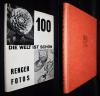 |
Renger-Patzsch, Albert. Die Welt ist schön. Einhundert photographische Aufnahmen. (Herausgegeben und eingeleitet von Carl Georg Heise). München, Einhorn-Verlag (1931). 4°. [2] Bl. u. 100 Tafeln. OPbd. mit Deckelvignette (von Alfred Mahlau, Lübeck) mit illustr. Orig.-Schutzumschlag (von Friedrich Vordemberge-Gildewart, Hannover).
Göbel 689. Heidtmann 10691. Heiting/Jaeger II, 269 u. 284 ff. (mit zahlr. Abb.). Koetzle 322. Parr/Badger I, 125. – Standardwerk der „Neuen Sachlichkeit“ in der Fotografie. Die Detailaufnahmen von Natur, Objekten und Architektur zeigen den „neuen Blick“ des Fotografen für natürliches und technisches Gleichmaß und Harmonie von Formen und Reihen. – „Die Ausgabe von „Die Welt ist schön“, die der Einhorn Verlag aus den noch vorhandenen Druckbögen erstellte, ist im Juli 1931 erschienen. Der lachsrote Pappband… Es fehlen die Einleitung von Heise und das mehrseitige Tafelverzeichnis. Im Impressunm wird Oscar Brandstetter, Leipzig als Drucker genannt, was sich aber nur auf die erneuerte Titellei beziehen kann… Da auch von dem Umschlag von Vordemberge-Gildewart offenbar nur eine Teilauflage gedruckt worden war, wurde dieser nun bei unveränderter Gestaltung in Schwarzdruck nachproduziert“ (R. Jaeger). – „Eingangs ordnet Heise die sachliche, doch zugleich schöpferische Fotografie von Renger-Patzsch in „eine Revolution des ästhetischen Empfindens“ und „die Entstehung eines veränderten Schönheitsbegriffs“ der Gegenwart ein. Anhand der Pflanzenaufnahmen erläutert er dabei die Nähe zu wissenschaftlicher Betrachtungsweise… Nahaufnahmem Ausschnitt und unübliche Winkel werden als charakteristische Gestaltungsmittel benannt. Die Tieraufnahmen seinen durch „strenge Objektivität“ und „unbestechliche Schärfe“ gekennzeichnet, bei den Landschaftsfotos wird angemerkt, „dass ein Teil symbolisch für das Ganze stehen kann“ und dass „auch Schärfe des photographischen Blicks Phantastisches in der Alltagsnatur aufzustöbern weiß“. Bei den Materialstudien treten diese Vorzüge für Heise besonders klar hervor: „Handelt es sich um materialgerechte Vergegenwärtigung, so verdient die technisch exakte Wiedergabe unbedingt den Vorrang vor der der künstlerisch ausdeutenden.“ Bei Architekturaufnahmen wiederum gesteht er dem Fotografen eine isolierende Akzentuierung und schlagkräftige Unterstreichung der Bauformen zu: „Das ist, bei strengster Sachlichkeit, eine schöpferische Leistung“.“ (R. Jaeger in Heiting/Jaeger II, S. 289/290). – Schutzumschlag leicht angestaubt und mit wenigen restaurierten Randläsuren, oberer Schnitt etwas stockfleckig, zeitgenöss. Widmung a. V., sehr gutes sauberes Exemplar. Schlagwörter: Bauhaus, Neue Sachlichkeit |
1.600,-- | |
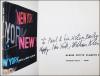 |
Klein, William New York. Life is good for you and good in New York Trance witness Reveals: Trance Witness Revels. London, Photography Magazine (1956). 4°. 192 p. with 188 Pictures on plates and Booklet (16 p., „Delay may be serious now free…“). Original cloth binding with color illustrated dust jacket. (Album Petite Planète, Vol. 1).
Auer 365. The Open Book 165 f. Parr/Badger I, 243. Roth, The Book of 801 Books 140 ff. – First edition in England (“Imprimé en Suisse”). The first printing of the first edition was published by Editions du Seul in Paris. – Dedicated and signed by W. Klein “To Paul & his sister Bailly / Happy New York, William Klein”. – „By virtue of its preface, written by Jack Kerouac, Robert Frank’s The Americans is usually regarded as the epitome of the Beat photobook. But William Klein’s magnum opus, Life is good for you and good in New York Trance witness Reveals: Trance Witness Revels, a book with Beat mantra for a title, surely has the edge in this regard. This is partly because it was the earlier model, partly because it is less political and more exuberant, and impotantly, because its conception is so complete – photographs, layout, design, topography, ‚found‘ ephemera coalescing into what is in effect one of the first great ‚Pop‘ books. … Klein’s masterpiece reminds us that much great, serious art is often about play, archieved simply by experimenting with the possibilities of the material. Forget trance and witness – the revels are the thing“ (Parr/Badger). – „With no interest from American publishers, Klein went back to Paris and set to work on a graphic design that was as aggressive and idiosyncratic as its photos. „I saw the book as a tabloid gone berserk, gross, over-inked, brutal layout, bull-horn headlines,“ he wrote in its radically revised 1995 edition. „This is what New York deserved and would get.“ Published in France, Italy, and England, but not in America, Life is good for you and good in New York was a sensation“ (A. Roth). – Dust jacket with inconspicuous restored loss at the spine, very good copy. Schlagwörter: New York, Pop-Kultur, Signed books, Signierte Bücher, Widmungsexemplar |
4.500,-- | |
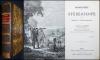 |
Stereo-Photographie – La Blanchère, (Pierre René Marie) H(enri Moulin du Coudray) de. Monographie du stéréoscope et des épreuves stéréoscopiques. (Beigebunden): Kleffel, L(udwig)-G(ustav). Manuel de photographie pratique. Guide complet pour l’exercice de cet art accompagné de rapports spéciaux sur les dernières expériences et améliorations & d’un traité détaillé de la stéréoscopie à l’usage des photographes et des amateurs. 2 Werke in 1 Band. Paris, Amyot o. J. (1861) u. Paris, Leiber 1861. 8°. 330 S. mit 65 Holzschnitten im Text; 312 S. mit 25 Holzschnitten im Text. Hldr. d. Zt. mit goldgepr. Rückenschild u. Rückenverg.
I. Roosens/Salu 10023. – Seltene erste Ausgabe, eines der frühesten franz. Werke zur Stereophotographie. – In neun Teilen behandelt der franz. Naturforscher und Fotopionier H. de la Blanchère (1821-1880) die Entwicklung des dreidimensionalen Sehens beginnend mit Euklid. In den Teilen 2-9 werden verschiedene optische Apparate (Panorama, Phenakisticope, Stereoskop, Stereomonoskop, Mikroskope etc.) und photographische Verfahren erläutert. – H. de la Blanchère studierte 1848 Chemie in Nantes und beschäftigte sich danach besonders mit der Fischerei. Nachdem er 1855 nach Paris gezogen war, machte ihn Gustave Le Gray (1820-1884) mit der Photographie bekannt. La Blanchère war einer der ersten Naturwissenschaftler, die die Photographie in der Naturforschung einsetzten. Er hat zahlreiche zoologische Bücher, darunter einige über Fische (Ichtiologie), meist ausgestattet mit eigenen Photographien. Außerdem veröffentlichte er drei wichtige Handbücher über Fototechnik: L’Art du photographe (1859), Monographie du stéréoscope (1861) und La Photographie des commençants (1863). – II. Roosens/Salu 6662. Vgl. Heidtmann 2507 (dt. Ausgabe, Berlin 1859). – Sehr seltene erste franz. Ausgabe des „Handbuch der practischen Photographie“ (Berlin 1859). – Neben P. E. Liesegangs „Handbuch der Photographie auf Collodion“ (Berlin 1860) eines der wichtigsten und frühesten Handbücher zur Fototechnik in deutscher Sprache. – Der norddeutsche Kaufmann, Politiker und Fotopionier G. L. Kleffel (1807-1885) eröffnete 1852 ein Fotoatelier in seinem Geburtsort Goldberg (Mecklenburg). 1860 eröffnete er ein photographisches Lehrinstitut. 1867 zog er nach Berlin, wo er ein Geschäft für Fotozubehör betrieb. Sein „Handbuch der practischen Photographie“ erlebte 8 Auflagen und wurde außer ins Französische auch ins Dänische und Italienische übersetzt. – Rücken und Gelenke unauffällig restauriert, Blattränder durchgehend etwas braunfleckig, sehr gut erhalten und dekorativ gebunden. Schlagwörter: Phototechnik, Stereobilder, Stereophotographie, Stereoscope |
450,-- | |
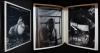 |
Appelt, Dieter. Erinnerungsspur – Statische Vibration. Berlin, Nicolai 1979. Quer-4°. 50 S. mit 36 Tafeln u. 1 signierten Orig.-Photographie (Silbergelatine, 30,5 x 24 cm.). Illustr. OKart.
Auer 621. – Eines von 100 nummerierten und von Appelt signierten Exemplaren der Vorzugsausgabe mit der lose beiligenden Orig.-Photographie (abbgebildet auf S. 13), ebenfalls signiert (Gesamtauflage: 1100). – Mit Aufnahmen aus den Jahren 1977 bis 1979 und Texten von Günther Gercken und Eberhard Roters. – Der Photo-, Film-, Objekt- und Aktionskünstler D. Appelt (geb. 1935 in Niemegk/Brandenburg) wurde 1999 mit der David-Octavius-Hill Medaille der Deutschen Fotografischen Gesellschaft und 2005 mit dem Knight Purchase Prize for Photographic Media des Akron Art Museum, Ohio, USA ausgezeichnet. – Tadellos. Schlagwörter: Nummerierte Bücher, Original-Photographie, Signierte Bücher, Signierte Photographie, Vorzugsausgaben |
250,-- | |
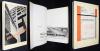 |
Krejcar – Teige, Karel. Práce Jaromira Krejcara. Monografie staveb a projektu. Praha (Prag), Vaclav Petr (1932). Gr.-8°. 208 S. mit zahlr. Abb. u. Grundrissen. Moderner Leinenband mit mont. Orig.-Umschlag auf dem Vorder- u. Rückendeckel.
Dokumentations-Bibliothek VI, 696. Heiting, Czech and Slovac Photo Publikations 76, 45. – Erste Ausgabe der umfassenden Monographie über den bedeutendsten Vertreter des Neuen Bauens in der Tschecholslowakei. – Buchgestaltung: Karel Teige. – Der tschech. Architekt, Designer, Hochschulprofessor und Architekturtheoretiker Jaromír Krejcar (1895-1950) studierte 1918 bis 1921 bei Jan Kotera an der Akademie der Bildenden Künste Prag. Er war seit Mitte der 20er Jahre Mitglied der Avantgarde-Gruppe Devetsil und 1934-1935 am staatlichen Institut für die Stadt- und Investitionsplanung GIPROGOR in Moskau beschäftigt. Seine Entwürfe waren am Anfang stark von Le Corbusier und dem Konstruktivismus beeinflußt. – Der tschech. Kritiker, Kunsttheoretiker, Publizist und Künstler Karel Teige (1900-1951) beschäftigte sich kontinuierlich mit der Ästhetik und der Soziologie der Architektur und interessierte sich auch für die Fotografie und das Filmschaffen seiner Zeit. Am wichtigsten sind seine buchkünstlerischen Arbeiten und seine surrealistischen Fotomontagen und Collagen. – Einband und Vorsätze fachgerecht erneuert, sehr gutes sauberes Exemplar. Schlagwörter: Architecture, Architektur, Avantgarde, Tschechien, Tschechoslowakei |
400,-- | |
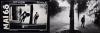 |
Dityvon, (Claude Raimond). Mai 68. Textes (Daniel Bensaid) Renaud. Paris, Carrere/Kian (1988). Quer-8°. 110 S. mit 50 Tafeln u. 1 Orig.-Photographie (24 x 18 cm., Silbergelatine, Place St. Michel, Paris 6. Mai 1968, „Ca dégénère, je retourne chez ma mère…“). Illustr. OPbd. (Camera obscura).
Auer 680. Vgl. Koetzle, Eyes on Paris 332 f. (zu „Les murs de mai“ von Jean Claude Gautrand, Paris 1969). – Erste Ausgabe der interessanten Fotodokumentation über die Studenten-Unruhen in Paris im Mai 1968. – C. Raimond-Dityvon (1937-2008) wurde für diese Arbeiten mit dem Prix Niépce ausgezeichnet. – St. a. V. (″Hommage de l’éditeur“), das Foto rückseitig handschr. bezeichnet und mit Stempel der Fotoagentur „Viva“, die C. Raimond-Dityvon 1972 gründete, Ecken des Fotos etwas bestoßen, sonst gut erhalten. Schlagwörter: Original-Photographie, Paris |
180,-- | |
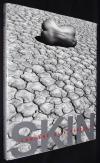 |
Badessi, Laurent Elie. Skin. With texts by Laurent Elie Badessi and Sondra Gilman. Zurich, New York, Edition Stemmle (2000). Gr.-4°. 143 S. mit 63 Duetone-Tafeln. Orig.-Pappband mit illustr. Schutzumschlag.
Erste Ausgabe. – Mit eigenhändiger Widmung von L. E. Badessi für Marcel Marceau und beil. maschinenschr. Brief des Fotoateliers Badessi, New York (unterschr. von Martine Marin, Paris Coordinator). – L. E. Badessi (geb. 1964) ist der Sohn des franz. Fotografen Elie Badessi. Er arbeitet seit den 90er Jahren in New York. – „Laurent Elie Badessi has succeeded in constaining his lens to exploit all the effects of light. It is trough the medium of the human body that he has decided to express himself, and to manifest his desire for perfection… seeking the precise balance between aesteticism and emotion, light and darkness, dawn and daylight“ (Pierre Cardin). – Der berühmte französische Pantomime Marcel Marceau (1923-2007) war seinem Publikum als der tragische Clown „Bip“ im Ringelhemd mit dem weiß geschminkten Gesicht, dem zerbeulten Seidenhut und der roten Blume bekannt. Seine „Compagnie de Mime Marcel Marceau“ war einzigartig auf der Welt und führte zahlreiche bekannte Theaterstücke als Mimodramen auf. Marceau, der auch in zehn Filmen mitwirkte, beeinflusst bis heute zahlreiche Künstler aus allen Genres, durch die ihm eigene Art gilt er als Erneuerer der Pantomime. – Sehr gutes Exemplar. Schlagwörter: Aktfotografie, Photography of the nude, Photography, Artistic, Signierte Bücher, Widmungsexemplar |
160,-- | |
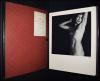 |
Verneuil, M(aurice) P(illard). Images d’une femme. Vingt-quatre études de nu. Avec un avant-propos de Jules Romains. Paris, Éditions Denoel & Steele (1931). Gr.-4° (30,3 x 24,5 cm.). Portefolio, 16 S. u. 24 Tafeln in Heliogravure. Orig.-Halbleinen-Mappe mit Deckelschild.
Auer 180. Bertolotti 90 f. Bouqueret, Paris 86 f. – Eines von 1100 num. Exemplaren. – „In 1931, with Images d’une femme (Images of a woman), the French photographer Maurice Pillard-Verneuil, who had worked with Alphonse Mucha as a graphic designer, created an elegant portfolio of nude studies that made no reference to allegory or literature. The female model managed with great subtlety to express an unmistakably modern personality through the freedom of her movements“ (A. Bertolotti). – „Ce portefolio, composé de 24 photogravures, a pour sujet unique une jeune femme blonde, coiffée à la garconne. C’est la première fois qu’un ouvrage se consacre à un seul modèle. Elle y apparaît, en studio ou en pleine air, dans des poses des plus classiques aux plus modernes, toutes animées par la recherche du mouvement. Pillard Verneuil exposa cette série du 12 novembre au 12 décembre 1934 à la galerie de la Pléiade avec des grands noms du moment (Tabard, Sougez, Parry etc.). Avec l’objectif de réaliser un livre sur le photographie de son époque, il se mit à collectionner (Cloche, Albin Guillot, Kollar. Parry, Tabard, Nora Dumas, Moral, Vigneau, Zuber, Sougez, Lee Miller, Man Ray). Ce livre ne parut malheureusement jamais“ (C. Bouqueret). – Schönes sauberes Exemplar. Schlagwörter: Aktfotografie, Aktphotographie, Nummerierte Bücher, Photography of the nude |
600,-- | |
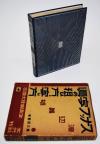 |
Watanabe Yoshio. Sunappu shashin no neraikata utsushikata. (So macht man Schnappschüsse, How to compose and shoot snapshots). Tokyo, Genkô-sha 1937. 8°. 276 S. mit zahlr. Abb. Orig.-Leinenband mit ornamentaler Silberprägung in Orig.-Pappschuber. (Shashin jitsugi daikoza 4, Practical Photography, Series 4).
Heiting/Kaneko 124, 60. – Erste Ausgabe. – Buch-Gestaltung von Kôshirô Onchi. – Der bedeutende japanische Fotograf Watanabe Yoshio (1907-2000) arbeitete schon früh mit kleinformatigen Kameras wie der Leica. „1928 machte er seinen Abschluss an dem „Tokyo Photography Institute“, der Nachfolgereinrichtung der „Konishi Photography School“, und nahm seine Arbeit bei der „Oriental Photos Industry Company“ auf. Er gewann einen Sonderpreis in einem Wettbewerb, der von dem Magazin „Asahi Graph“ ausgerichtet worden war. Er wechselte zur Anzeigenabteilung des Unternehmens und wurde zuständig für die fotografischen und textlichen Beiträge für die monatlichen Magazine „Oriental News“ und „Photo Times“. 1934 verließ Watanabe das Unternehmen und eröffnete im folgenden Jahr das „Watanabe Studio“. Wandfotos von ihm waren im japanischen Pavillon auf der Weltfachausstellung Paris 1937 zu sehen. Im selben Jahr besuchte er in Auftrag der Abteilung für Nachrichtendienste des Außenministeriums Nanking und Shanghai. Nach dem Zweiten Weltkrieg begann Watanabe 1950 an der Nihon-Universität zu unterrichten. …1957 gewann er den Jahrespreis der „Photographic Society of Japan“ (Nihon shashin kyokai) und 1958 den Preis des Kultusministers (Mombudajin sho). 1958 wurde er Vorsitzender der „Japan Professional Photographers’ Society“ (Nihon shashinka kyokai). 1965 wurde er Vorsitzender der „All-Japan Photographers’ and Writers’ Association“ (Zen Nihon shashinka sakka domei) und 1971 Vorsitzender der „All-Japan Photographers’ and Writers’ Copyright Association“ (Zen Nihon shashinka chosakuken kyokai), stellvertretender Vorsitzender der „Photographic Society“. … Watanabe war der erste Fotograf, der Anstrengungen unternahm, eine Fotogalerie zu betreiben. Er war auch der erste japanische Fotograf, der vom Staat als „Person mit besonderen kulturellen Verdiensten“ (1990) ausgezeichnet wurde“ (Wikipedia). – Schuber etwas berieben u. gebräunt, sehr gutes Exemplar. Schlagwörter: Japan |
500,-- | |
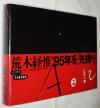 |
Araki, Nobuyoshi. A Nikki. (Ein Tagebuch, A diary). Tokyo, Lithofort 1995. Quer-8°. [104] Bl. mit farb. Abb., [4] Bl. (Text). OLn. mit farbig illustr. OU. u. Orig.-Bauchbinde (″Obi“).
Erste Ausgabe. – „Nobuyoshi Araki – the best known and most controversal Japanese photographer, who produced around three hundred books is a unique phenomenon in nude photography. … His insistence on photographing the public area was in defiance of censorship; on several occasions his exhibitions were shut down by the police, who confiscated his works and arrested Araki and his assistants on the spot“ (A. Bertolotti zu Otoko to onna no aida niwa kamera ga aru, Tokio 1978). – Tadellos. Schlagwörter: Aktfotografie, Aktphotographie, Japan, Photography of the nude |
180,-- | |
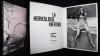 |
Attali – Delfau, Jacques. Les érotiques du regard. (Photographies de (Marc) Attali). Paris, André Balland (1968). Folio (35,2 x 27 cm.). [112] S. mit 64 Tafeln. Farbig illustr. OPbd.
Auer 484. Bertolotti 194. Parr/Badger I, 226. – Erste Ausgabe. – „Les érotiques du regard (The erotics of the gaze) by Marc Attali and Jacques Delfau largely succeeds in this delicate balancing act. It is a frank meditation om the male gaze, an essay in pictures and a kind of concrete poetry where the typography has equal status with the imagery. Unlike many of the so-called erotic books from the 1960s – the ‚Free Love‘ era – Les Erotiques manages to examine the phenomenon of the male gaze, whilst at the same time doing the classically male thing of gazing. The book is full of snatched images of woman in public – on the streets and in cafés – voyeuristically focusing on their bodies – primarily legs. Yet in the context of the book the pictures declare themselves for what they are, so that the whole volume is as much self-regarding as regarding. It is a thoughtful book that concentrates on looking, yet is light-hearted and serious at one and the same time, which means that it both engages and disengages with the erootic in an interesting, thoroughly ambiguous, complex and tantalizing way“ (Parr/Badger). – Ecken am Kapital und Fuß etwas bestoßen, sehr gutes Exemplar. Schlagwörter: Aktfotografie, Aktphotographie, Photography of the nude |
450,-- | |
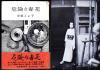 |
Tokiwa Toyoko. Kiken na adabana. (Giftige Blumen). Tokyo, Mikasa-shobô (1957). 8°. 248 S. mit Abb. auf Tafeln. OPbd. mit goldgepr. Rückentitel, illustr. Orig.-Schutzumschlag, Bauchbinde (″Obi“, belly band) u. Cellophan-Schutzumschlag.
The History of Japanese Photography S. 217 u. 236 f. Lederman/Yatskevich, What they saw 144 f. – Erster Druck der ersten Ausgabe. – Wichtigste Veröffentlichung der bedeutenden japanischen Fotografin Tokiwa Toyoko (1928-2019). – Die Aufnahmen zeigen Straßenszenen, Prostituierte und amerikanische Marine-Soldaten im Rotlichtviertel von Yokohama. Der seltene Schutzumschlag zeigt auf der Vorderseite das Gesicht der Fotografin mit ihrer Canon-Kamera; im Objektiv ist ein Detail aus dem letzten Foto zu sehen. Der rote „Obi“ wirbt für 100 Fotografien. – T. Tokiwa „documents a vibrant community of women operating on the fringes of postwar Japanese society. The title references a traditional euphemism for sex workers, who held a partivular form of cultural cachet in Tokiwa’s hometown, the port city of Yokohama. While prostitution is a major subject in Kiken na adabana, the photobook more brodly cronicles the daily lives of working women – including nurses, shop clerks, teachers and performers – and as a result, demystifies sex work for what it really is: a job. … As one of the only female photographers active in Yokohama during this time, Tokiiwa uniquely experienced the challenges of working within a patriarchal environment. Despite her proffessional status as an observer, the photographer herself became an object of fascination and increased scrutiny amoung her peers. Tokiwa toys with this irony throuout Kiken na adabana – perhaps most significantly in the book cover, a self-portrait of the artist holding a camera. A smaller photgraph of a woman being forciby dragged by her male companion is superimposed in place of the Photographer’s lens. This image spotlights Tokiwa’s role as both a witness and active participant in the social upheaval of mid-century Japanese society“ (Rose Bishop in Lederman/Yatskevich). – „(This book) can be considered the strongest, most compassionate work by a female photographer of that era“ (Anne Tucker). – Schutzumschlag am Kapital mit kleiner Fehlstelle, Textbl. papierbedingt etwas gebräunt, sehr gutes Exemplar. Schlagwörter: Japan |
1.200,-- | |
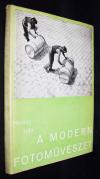 |
Hevesy, Ivan. A modern fotomüvészet. Irta és illusztrálta. Budapest, Selbstverlag 1934. 8°. 112 S. mit 32 Tafeln in Heliogravure. OHln. mit silberger. Rücken- u. Deckeltitel u. illustr. Orig.-Schutzumschlag.
Einzige Ausgabe, selten. – Der bedeutende ungarische Fotograf, Schriftsteller und Film- und Kunst-Kritiker I. Hevesy (1893-1966) war 1917 und 1918 Herausgeber der expressionistischen Zeitschrift „Jelenkor“. Hevesy war eng mit L. Moholy-Nagy, Bela Uitz und Sandor Bortnyk befreundet. Auch seine Frau Kata Kálmán (1909-1978) war als Fotografin bekannt. – Vorsätze etwas stockfleckig, sehr gutes Exemplar. – Only edition, rare. – The important Hungarian photographer, writer and film and art critic I. Hevesy (1893-1966) was editor of the expressionist magazine “Jelenkor” in 1917 and 1918. Hevesy was a close friend of L. Moholy-Nagy, Bela Uitz and Sandor Bortnyk. His wife Kata Kálmán (1909-1978) was also known as a photographer. – Endpapers somewhat foxed, very good copy. Schlagwörter: Neue Sachlichkeit, Ungarn |
800,-- | |
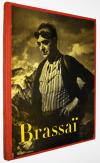 |
Brassai – Miller, Henry (Introduction). Brassai (d. i. Gyula Halász). (Édition: R. Delpire et P. Faucheux). Paris, Éditions Neuf (1952). 4°. [42] Bl. mit 55 Tafeln. Orig.-Leinenband mit Deckelbild (Selbstporträt).
Koetzle 68 ff. – Erste Ausgabe der ersten Monographie des bedeutenden rumänisch-franz. Fotografen. – Mit eigenhändiger 9-zeiliger Widmung für Jean-Marie Drot von Brassai auf dem Titel, datiert 18. Okt. 1960. – „Eines der populärsten Werke von Brassai und auch ein für ihn sehr typisches ist seine Fotoserie über das nächtliche Paris (″Paris de Nuit“, 1932). Die Nacht und der Traum sind Symbole des Schöpferischen, welches das rein Rationale überschreitet. In diesem Sinne ist der Künstler und der Fotograf der ‚allumineur de réverbères‘ (Lanternenanzünder), als der Brassai sein verborgenes Paris der 30er Jahre illuminierte. Seine Kunst erhellt die Nacht und bringt uns zum Staunen. … Brassai war nie ein grafischer Berichterstatter, sondern ein Poet der Kamera“ (M. J. Borja-Vittel). – Der französische Schriftsteller und Filmregisseur J.-M. Drot (1929-2015) war von 1985 bis 1994 Nachfolger von Jean Leymarie Direktor der Académie de France in Rom. – Rückendeckel leicht angestaubt, gutes Exemplar. – First edition of the first monograph by the important Romanian-French photographer. Photographer. – With a handwritten 9-line dedication to Jean-Marie Drot by Brassai on the title page, dated Oct. 18, 1960 – “One of Brassai’s most popular works and also one that is very typical of him is his series of photographs of Paris at night (”Paris de Nuit”, 1932). The night and the dream are symbols of the creative, which transcends the purely rational. In this sense, the artist and photographer is the ‚allumineur de réverbères‘ (lantern-lighter) who illuminated Brassai’s hidden Paris of the 1930s. His art lights up the night and amazes us. … Brassai was never a graphic reporter, but a poet of the camera” (M. J. Borja-Vittel). – The French writer and film director J.-M. Drot (1929-2015) succeeded Jean Leymarie as director of the Académie de France in Rome from 1985 to 1994. – Back cover slightly dusty, good copy. Schlagwörter: Signierte Bücher, Widmungsexemplar |
600,-- | |
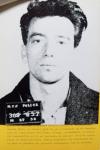 |
Warhol, Andy. The thirteen most wanted men. Dossier N° 2357. Paris, Galerie Ileana Sonnabend (1967). 4°. [6] Bl. und 1 Orig.-Serigraphie. Klammerheftung in Orig.-Umschlagkarton.
McShine-Sharre 461. Vgl. Crone 404 (mit Abb. 405). – Seltener Katalog der Galerie Sonnabend in Form eines Polizeidossiers mit Verzeichnis von 22 Arbeiten von A. Warhol und einem Text „Rembrandt vidé de Rembrandt“ von Otto Hahn. Mit dem Motto von Robert Delaunay „La photo est un art criminel“. – Enthält die Serigraphie „One of the 13 most wanted men, n° 11: John Joseph H.“ – Umschlag geringf. angestaubt und im Rand leicht gebräunt, sehr gutes Exemplar. – Rare catalog of the Sonnabend Gallery in the form of a police dossier with a list of 22 works by A. Warhol and a text “Rembrandt vidé de Rembrandt” by Otto Hahn. With the motto by Robert Delaunay “La photo est un art criminel”. – Contains the serigraph “One of the 13 most wanted men, n° 11: John Joseph H.” – Cover slightly dusty and slightly browned in margins, very good copy. Schlagwörter: Original-Graphik, Pop art |
1.200,-- | |
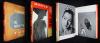 |
Fukuda Katsuji. Sakuga no jissai. Watasi no shashinshû. (Handbuch der Photographie – Mein Photo-Album 1939). Tokyo, Ars 1938. Gr.-8°. 146 S., [9] Bl. mit 58 Abb. Orig.-Leinenband mit silbergepr. Rücken- u. Deckeltitel, illustr. Schutzumschlag in Pappschuber.
Heiting/Kaneko 126, 62. – Erste Ausgabe, selten. – Fukuda Katsuji (1899-1991) arbeitete seit 1920 für Takachiho Seisakujo (heute Olympus) in Tokio, nach 1923 betrieb er Fotoateliers in Sakai und Osaka. Anschließend arbeitete er als Fotojounalist. 1933 nach Tokio zurück gekehrt widmete er sich, beeinflusst von den modernistischen Strömungen aus Europa (besonders durch Moholy-Nagy), der Werbefotografie. Seine Arbeiten wurden besonders durch das vorliegende Werk bekannt. Nach dem Krieg veröffentlichte er besonders Aktstudien und Bücher zur Fototechnik. Eine große Werkschau seiner Arbeiten wurde 1994 im Yamaguchi Prefectural Museum of Art präsentiert. – „There are no photographers of women in Japan even today who have not been influenced by Fukuda in one way or another. Many techniques commonly used today were developed by Fukuda, a fact which has been forgotten“ (Akira Hasegawa). – Schuber etwas berieben, fleckig und angestaubt, Schutzumschlag am Vorderdeckel mit kl. Randläsur, sehr gutes Exemplar. – First edition, rare. – Fukuda Katsuji (1899-1991) worked for Takachiho Seisakujo (now Olympus) in Tokyo from 1920, after 1923 he ran photo studios in Sakai and Osaka. He then worked as a photojournalist. After returning to Tokyo in 1933, he devoted himself to advertising photography, influenced by the modernist trends from Europe (especially Moholy-Nagy). His work became particularly well known through the present work. After the war, he published nude studies and books on photographic technique. A major exhibition of his work was presented at the Yamaguchi Prefectural Museum of Art in 1994. – “There are no photographers of women in Japan even today who have not been influenced by Fukuda in one way or another. Many techniques commonly used today were developed by Fukuda, a fact which has been forgotten” (Akira Hasegawa). – Slipcase somewhat rubbed, stained and dusty, dust jacket with small edge tear on front cover, very good copy. Schlagwörter: Japan |
400,-- | |
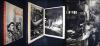 |
Hipman, Vladimír. Práce je živá. Spredmluvou Jana Weniga. 1. vyd. Praha, Ceská Grafická Unie 1945. 4°. [96] Bl. mit 172 ganzs. Abb. Illustr. Orig.-Halbleinenband mit illustr. Schutzumschlag.
Auer 305. Heiting, Czech and Slovak Photo Publikations 276 f., 288. – Einzige Ausgabe. – Das Buch erschien in drei Einbandvarianten: dunkelbrauner Leineneinband und zwei Halbleinen-Ausgaben mit Deckeln in Olivgrün und marm. Hellbraun (wie hier). – Vladimir Hipman (1908-1976), „did his most important photographic work on the subjects of industrial and physical labour. He began collaborating with the Mining and Metallurgy Company (Banska a hutni spolecnost) in 1934 and in the ensuing decades took hundreds of photographs on the sites of the company’s different plants and workplaces. These images are representative of the strong New Objectivity and Constructivist movements. Hipman’s pre-war work culminated in an independent exhibition titled ‚Steel in Photography‘ (Ocel ve fotografii) in 1938 at the Museum of Decorative Arts in Prague, in which there are already signs of his experimenting with narrative arrangements of the photographs. This is something he later applied in his seminal book Prace je ziva (Work Is Alive; 1945), which sums up the characteristic attributes of pre-war photography, while also charting some of the new directions in which the field would set off in the 1950s. A restrained modernity and a realistic approach to portraiture characterise the photographs published in the book, and these qualities are clearly why Hipman’s work was well received in the late 1940s and early 1950s, as was the fact that he himself was regarded as the father of Socialist Realist industrial photography“ (M. Hola, A Fascination with Industry: The Photography of Vladimir Hipman between the 1930s and the 1950s). – Schutzumschlag stellenweise berieben und mit Randläsuren, papierbedingt etwas gebräunt, gutes Exemplar. Schlagwörter: Industrie-Photographie, Tschechien, Tschechoslowakei |
400,-- | |
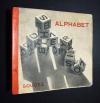 |
Sougez, (Emmanuel). Alphabet. Photographies. Paris, Éditions Antoine Roche (1932). Quer-8°. [52] S. mit 26 Tafeln in Heliogravure. Illustr. Orig.-Pappband.
Auer 194. Bouqueret, Paris 114 f. Koetzle 430 f. – Einzige Ausgabe, sehr selten. – Neben „Regarde!“ (1931) und Steichens „First Picture Book“ (1930) das wichtigste Photo-Bilderbuch der Vorkriegszeit. – „En 1932 Sougez puplie chez deux éditeurs différents deux ouvrages à destination des très jeunes enfants. Dans les deux cas, le photographe semble s’être plié à la vision de l’éditeur et aux attentes présumées du public visé. On peine à retrouver sa magie en effet. Comparé à celui de Maurice Cloche, son abécédaire ne s’élève par example jamais au-dessus de l’illustration“ (C. Bouqueret). – „During the 1930s, especially, publishers showed great enterprise in employing photography to illustrate books for children, commissioning some oft he finest photographers, and utilized the medium in both a realistic and a fantastic way. The children’s photobook of that era is a serious study in itself, and is largely outside our remit. … The great thing about children’s photobooks from this period of high modernism was that publishers gave photographers a freer rein than they might have enjoyed if illustrating adult books, were their audiences had much more rigid expectations of what they wanted to see“ (Parr/Badger I, 102 zu „Regarde!“). – E. Sougez (1889-1972) ist die „Graue Eminenz“ (H.-M. Koetzle) der französischen Fotografie um 1940. „Wenn es Sougez gelungen ist, der Geschichte der französischen Fotografie seinen Stempel aufzudrücken, dann verdankt er dies seinen Stillleben(,) … die, wie er selbst schreibt, ‚den wesentlichen Teil (seines) Werkes ausmachen‘ und ihn als den führenden Kopf der reinen Fotografie in Frankreich ausweisen“ (S. Rochard in Koetzle). – Umschlag mit unauffällig restaurierten Abriebstellen und leichten Knickspuren, wenige Textseiten mit noch schwach sichtbaren Bleistiftspuren, vereinzelt geringf. fingerfleckig, noch sehr gutes Exemplar des empfindlichen Kleinkind-Bilderbuchs. – Single issue, very rare. – Alongside “Regarde!” (1931) and Steichen’s “First Picture Book” (1930), this is the most important photo picture book of the pre-war period. – – Cover with inconspicuously restored abrasions and slight creases, a few text pages with still faintly visible pencil marks, occasional minor fingerstaining, still a very good copy of this delicate picture book for small children. Schlagwörter: ABC-Bücher, Kinderbücher, Kleinkind-Bilderbücher, Neue Sachlichkeit, Photobilderbücher |
1.800,-- | |
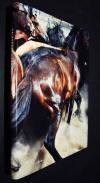 |
Hara, Cristóbal. Autobiography. 1. ed. Göttingen, Steidl 2007. 4°. 94 S. mit farb. Abb. OLn. mit farbig illustr. OU.
Sehr gutes Exemplar. |
90,-- | |
 |
Wicki, Bernhard. Zwei Gramm Licht. Herausgeber Georg Ramseger. Vorwort Friedrich Dürrenmatt. Zürich, Interbooks 1960. 4°. 104 S. mit zahlr. Abb. Orig.– mit illustr. OU.
Heidtmann 10833. Schweizer Fotobücher 236 ff. – Erste Ausgabe. – „So schlägt Zwei Gramm Licht den Bogen von den ersten eigenen Regiearbeiten zurück zu den ästhetisch prägenden Erfahrungen des Neorealismus – über viele mitunter dürftige Rollen hinweg, die Wicki als Star des bundesdeutschen Kinos in den 1950er Jahren vor der Kamera spielte. Zwei Gramm Licht ist daher nicht nur ein „Fischzug ins Menschliche“ (Dürrenmatt S. 15), ein beherzter Ausgriff aufs grosse Ganze, sondern zugleich ein nach innen gewandtes Stück Autobiographie, mit der zwischen Kino und Fotografie ein Künstler in einer schwierigen Zeit seinen Weg sucht“ (M. Christen). – Schutzumschlag schwach gebräunt, sehr gutes Exemplar. Schlagwörter: Photography, Artistic |
80,-- | |
 |
Salgado, Sebastião. Arbeiter. Zur Archäologie des Industriezeitalters. Frankfurt am Main, Zweitausendeins (1993). 4°. 399 S. mit zahlr. Abbildungen und 1 Textbeilage. Orig.-Leinenband mit illustr. Schutzumschlag.
Koetzle, Fotografen A-Z 342 (engl. Orig.-Ausgabe mit Abb.). – Erste deutsche Ausgabe. – Sehr gutes Exemplar. |
100,-- | |
 |
Nakamura, Masaya. Nus japonais. Photographies. Préface de Robert Guillain. Paris, Éditions Prisma (1959). Gr.-8°. [24] Bl. mit 77 Abb. auf teils gefalt. Tafeln. Illustr. OKart.
Erste Ausgabe. – „The most talented glamour photographer of the time was Masaya Nakamura, so much so that his photography books were also distributed and published abroad“ (A. Bertolotti zu „Young nudes“, Tokyo 1960). – Umschlag etwas berieben, gutes Exemplar. Schlagwörter: Aktfotografie, Aktphotographie, Photography of the nude |
60,-- | |
 |
Ketter – Gandebeuf, Jacques. Paysages. Norbert Ketter. Visages. Luxembourg, Editions Guy Binsfeld 1981. 4°. 135 S. mit 88 Tafeln. OLn. mit illustr. OU.
Erste Ausgabe. – Schutzumschlag am Rücken gebräunt, sonst sehr gutes Exemplar. |
90,-- | |
 |
Deakin – Muir, Robin. John Deakin. Photographs. München u.a., Schirmer/Mosel 1996. 4°. 144 p. with 111 duotones and 7 colour plates. OPbd. mit illustr. OU.
Sehr gutes und sauberes Exemplar. |
50,-- | |
 |
Papaioannou, Voula. La Grèce à ciel ouvert. Text et choix de citations classiques de Pierre Jacquet. Lausanne, La Guilde du Livre (1953). 4°. 105, (1) S. mit 1 Karte u. 67 meist ganzs. Abb. in Heliogravure. OPbd. mit illustr. OU.
Erste Ausgabe. – Die zweite Veröffentlichung der griechischen Fotografin V. Papaioannou (1898-1990). – Voula Papaioannou begann 1937 als professionelle Fotografin zu arbeiten. – „Sie rückte vor allem die harten Lebensbedingungen auf dem Land in den Vordergrund. Dabei zeige sie – so ein Kritiker – die griechische Bevölkerung weniger unter einem romantischen Blickwinkel als vielmehr als stolze, unabhängige und trotz ihrer Armut optimistische Menschen“ (Wikipedia). – Sehr gutes Exemplar. Schlagwörter: Griechenland |
45,-- | |
 |
Man Ray – Cocteau, Jean. L’ange heurtebise. Poème avec une photographie de l’ange par Man Ray. Paris, Stock 1925. Folio (38,5 x 28 cm.). Portfolio, [22] Bl. mit 1 Heliogravure (″Rayogramme“ oder „Rayograph“). Orig.-Kartonumschlag.
Talvart-Place II, 333, 7. – Erste Ausgabe. – Eines von 50 Exemplaren „H.C.“ (hors commerce) auf Vélin blanc (Gesamtauflage: 355 Exemplare). – Mit eigenhändiger Widmung von Jean Cocteau „à mes chers amis Jouhandeau que mon ange soit témoin de votre bonheur“, an den Schriftsteller Marcel Jouhandeau (1888-1979) und einer Notiz von der Hand Jouhandeaus, der das Buch seiner Frau zur Hochzeit im Juni 1929 geschenkt hat. – „Und der Amerikaner in Paris machte sein Geld – nicht mit Pinsel und Pigmenten, obwohl er weiterhin malte und auch heute noch malt, sondern mit der Kamera: Er arrivierte zum Pariser Hofphotographen der zwanziger Jahre, er porträtierte eine ganze Generation von Aristokraten und Nabobs, Malern und Schriftstellern, Modedamen und Mätressen und wurde – so Jean Cocteau – der „große Poet der Dunkelkammer“. … Aber so permanent erfolglos Ray als Maler auch war – als Photograph und Photographiker wurde er nicht nur von seinen Klienten, sondern auch von seinen Dada-Parteigängern geschätzt, die 1924, von Freuds Psychoanalyse beeinflußt, ihre verspielte Anti-Kunst zum Surrealismus perfektioniert hatten. Denn Ray versuchte, nach eigener Aussage, „mit der Photographie zu machen, was die Maler auch machten, nur mit Licht und Chemikalien, anstatt mit Pigment“. So hatte er beim Entwickeln in der Dunkelkammer zufällig seine „Rayographie“ entdeckt, indem er Gegenstände – etwa Schlüssel, Bleistifte, Kerzen, Bindfäden – auf Photopapier legte und dann mehrmals belichtete. Die verzerrten und gebrochenen Silhouetten der Dinge waren, so erkannte Dada-Vater Tristan Tzara, „reinste Dada -Schöpfung“.“ (″Man Ray. Poet der Dunkelkammer“, Der Spiegel 34/1963). – Umschlag angestaubt, etwas fleckig und mit Karton hinterlegt, die „Rayographie“ mit 3 geschlossenen Randeinrissen, sonst gut erhalten. – First edition. – One of 50 copies “H.C.” (hors commerce) on vélin blanc (total edition: 355 copies). – With handwritten dedication by Jean Cocteau “à mes chers amis Jouhandeau que mon ange soit témoin de votre bonheur”, to the writer Marcel Jouhandeau (1888-1979) and a note in the hand of Jouhandeau, who gave the book to his wife as a wedding present in June 1929. – – “And the American in Paris made his money – not with brushes and pigments, although he continued to paint and still does today, but with the camera: he established himself as the Parisian court photographer of the 1920s, he portrayed a whole generation of aristocrats and nabobs, painters and writers, fashionable ladies and mistresses and became – according to Jean Cocteau – the ‘great poet of the darkroom’. … But as permanently unsuccessful as Ray was as a painter, as a photographer and photographer he was appreciated not only by his clients, but also by his Dada party followers, who in 1924, influenced by Freud’s psychoanalysis, had perfected their playful anti-art to surrealism. According to Ray himself, he tried “to do with photography what the painters did, only with light and chemicals instead of pigment”. He discovered his “rayography” by chance while developing in the darkroom by placing objects – such as keys, pencils, candles and twine – on photographic paper and then exposing them several times. The distorted and broken silhouettes of the objects were, as Dada father Tristan Tzara recognized, “the purest Dada creation”.” (“Man Ray. Poet of the darkroom”, Der Spiegel 34/1963). – Cover dusty, somewhat stained and backed with cardboard, the “Rayographie” with 3 closed marginal tears, otherwise in good condition. Schlagwörter: Nummerierte Bücher, Signierte Bücher, Surrealism, Surrealismus, Vorzugsausgaben, Widmungsexemplar |
2.400,-- | |
 |
Brassai – Morand, Paul. Paris de nuit. 60 photos inédites de Brassaï (d. i. Gyula Halász). Paris, Edition „Arts et Métiers Graphiques“ (C. Peignot) (1933). 4°. [6] Bl. u. 62 Tafeln in Tiefdruck. Illustr. Orig.-Kartonumschlag mit Metallring-Heftung.
Auer 198. Bouqueret, Paris 116. Koetzle, Eyes on Paris 106 ff. The Open Book 110 f. Parr/Badger I, 134. Roth, The Book of 101 Books 76 f. – Erste und einzige Ausgabe des ersten und wichtigsten Werks des bedeutenden Fotografen. – „Un livre moderne, superbement imprimé, avec une relieure spiralée, qui va aussitôt s’imposer comme un ouvrage majeur au sein du monde de la photographie“ (C. Bougueret). – „Instead of seeing Paris de nuit as a great ‚might have been‘, therefore, one should think of it as ampngst the best produced and influential photobooks ever“ (G. Badger). – „Erst Brassai hat unser Bild von Paris komplettiert. Er war es, der die andere Seite der Stadt, jene zweite spätere, finstere Tageszeit, die untrennbar zum 24-Stunden-Rythmus gehört, erkundet und aufgezeichnet hat. Zugegeben, bei Nacht, im Schatten der Gassen oder im Dunkel der Katakomben wurde schon vor Brassai fotografiert. Allerdings nie wirklich mit System, nach Maßgabe eines Konzepts und mit künstlerischem Anspruch. Brassai war der „Poète des nuits“ und er war der Erste, dem ein mehr als überzeigendes Buch zum Thema gelang. … (Es) ist unter allen Titeln mit Paris-Bezug vermutlich der bekannteste, ein gedruckter Superlativ, der Brassai, den mehr oder minder mittellosen Immigranten, buchstäblich über Nacht berühmt gemacht hat“ (H.-M. Koetzle). – Deckel mit wenigen Kratzspuren, Ecken mit Knickspuren, Vorderdeckel am Kapital und Fuß geringf. beschädgt (jeweils 2 Löcher an den Metallringen eingerissen), noch sehr gutes Exemplar. Schlagwörter: Paris |
1.800,-- | |
 |
Warhol – Andy Warhol. (Publication on the occasion of the Andy Warhol Exhibition at Moderna Museet in Stockholm, February-March 1968). Second edition. Malmö, Melin, Svensson, Arbman (1969). Gr.-8°. [327] Bl. mit über 300 meist ganzs. Abb. nach Photographien von Rudolph Burckhardt, Eric Pollitzer und John D. Schiff. Farbig illustr. Orig.-Pappband mit Orig.-Versandkarton.
Crone 81. Parr/Badger II, 144 f. Roth, The Open Book 238 f. – Von Andy Warhol, Kaspar König, Pontus Hultén und Olle Granath herausgegeben. – Mit eigenhändiger Widmung von A. Warhol „to Dietmar Schneider Andy Warhol“. – „The Moderna Museet book is a worthy adjunct to Index (Book), an exhibition catalogue that transcends any limitations that might be suggested by this genre. It is a fine example of the catalogue-as-artist’s-book, a form that ostensibly began with the Dadaists and Surrealists, and is produced with some of the roughest reproductions ever seenm which are entirely appropriate, and supplemented by a long sections of Factory snapshots again by Billy Name. The genre was revitalized by the Pop movement, and Warhol in particular, which demonstrates his position as a latter-day Dadaist. If you could only have one Warhol-inspired photobook, the Index must rank first, but the Moderna Museet book is close behind“ (Parr/Badger). – „Die Fotografie und das Fotografieren bilden das Zentrum des Werks von Andy Warhol“ (U. M. Schneede in Koetzle). – Der meist fehlende Versandkarton mit Gebrauchsspuren, papierbedingt wie immer gebräunt, sehr gutes Exemplar. – Edited by Andy Warhol, Kaspar König, Pontus Hultén and Olle Granath. – With handwritten dedication by A. Warhol “to Dietmar Schneider Andy Warhol”. – The mostly missing shipping carton with traces of use, browned paper as usual, very good copy. Schlagwörter: Pop art, Pop-Kultur, Signierte Bücher, Widmungsexemplar |
2.800,-- | |
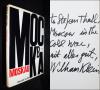 |
Klein, William. Moskau. Vorwort von Helmut Heißenbüttel. Hamburg, Nannen 1965. 4°. 184 S. mit 169 Tafeln. Orig.-Leinenband mit Schutzumschlag. (″Die Zeit“ Bücher).
Vgl. Koetzle 232 f. The Open Book 204 f. Roth, The Book of 801 Books 140 ff. (Alle amerik. Originalausgabe von 1964). – Erste deutsche Ausgabe. – Mit eigenhändiger Widmung von W. Klein „to Stefan Thull, Moscow in the Cold War, mit alles gut, William Klein“. – „Die vibrierende Ungeduld, mit der William Klein sich der Kamera bedient, wirkt als bahne sich ein Tachismus der Fotografie an. Wer genau hinblickt, gewahrt, was wie Auflösung scheint, ist tatsächlich ein intensiveres, zeitgemäseres Sehen und Fotografieren als bisher“ (L. F. Gruber in Koetzle). – S. Thull (geb. 1958 in Aachen) „Kravattenexperte“, Werbeberater, Verfasser von Mode-Publikationen und Kunstsammler lebt und arbeitet seit 2021 bis 2022 in Pforzheim, danach in Heppenheim. Thull ist seit 1998 auch Mitglied der DGPh (Deutsche Gesellschaft für Photographie), wo er bis heute zahlreiche Fotobücher vorgestellt hat. – Hinterer Deckel im unteren Innenrand etwas stockfleckig, sehr gutes Exemplar. – First German edition. – With autograph dedication by W. Klein “to Stefan Thull, Moscow in the Cold War, mit alles gut, William Klein” – “The vibrating impatience with which William Klein uses the camera seems as if a tachism of photography is in the offing. If you look closely, you will see that what seems like dissolution is actually a more intense, more contemporary way of seeing and photographing than before” (L. F. Gruber in Koetzle). – S. Thull (born 1958 in Aachen) “tie expert”, advertising consultant, author of fashion publications and art collector lives and works in Pforzheim since 2021 until 2022, then in Heppenheim. Thull has also been a member of the DGPh (German Society for Photography) since 1998, where he has presented numerous photo books to date. – Rear cover somewhat foxed in lower inner margin, very good copy. Schlagwörter: Rußland, Signierte Bücher, Widmungsexemplar |
800,-- | |
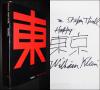 |
Klein, William. Tokio. Vorwort von Richard Friedenthal. Hamburg, Nannen 1965. 4°. 184 S. mit 169 Tafeln. Orig.-Leinenband mit farbig illustr. Schutzumschlag. (″Die Zeit“ Bücher).
Heidtmann 18455. Vgl. Auer 437. Koetzle 232 f. The Open Book 206 f. Roth, The Book of 801 Books 140 ff. (Alle amerik. Originalausgabe von 1964). – Erste deutsche Ausgabe. – Mit eigenhändiger Widmung von W. Klein „to Stefan Thull, hopefull (2 japanische Schriftzeichen) William Klein“. – Der bedeutende amerikanische Fotograf, Maler, Grafiker und Filmemacher W. Klein (geb. 1928) ist „als Kamerakünstler eine der einflussreichsten Persönlichkeiten im Europa der 50er und frühen 60er Jahre“ (Koetzle). – S. Thull (geb. 1958 in Aachen) „Kravattenexperte“, Werbeberater, Verfasser von Mode-Publikationen und Kunstsammler lebt und arbeitet seit 2021 in Pforzheim. Thull ist seit 1998 auch Mitglied der DGPh (Deutsche Gesellschaft für Photographie), wo er bis heute zahlreiche Fotobücher vorgestellt hat. – Schutzumschlag am Kapital geringf. berieben, sehr gutes Exemplar. – First German edition. – With autograph dedication by W. Klein “to Stefan Thull, Moscow in the Cold War, mit alles gut, William Klein” – “The vibrating impatience with which William Klein uses the camera seems as if a tachism of photography is in the offing. If you look closely, you will see that what seems like dissolution is actually a more intense, more contemporary way of seeing and photographing than before” (L. F. Gruber in Koetzle). – S. Thull (born 1958 in Aachen) “tie expert”, advertising consultant, author of fashion publications and art collector lives and works in Pforzheim since 2021 until 2022, then in Heppenheim. Thull has also been a member of the DGPh (German Society for Photography) since 1998, where he has presented numerous photo books to date. Dust jacket slightly rubbed at the spine, very good copy. Schlagwörter: Japan, Signierte Bücher, Widmungsexemplar |
800,-- | |
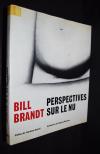 |
Brandt, Bill (eig. Hermann Wilhelm). Perspectives sur le Nu. Avec une introduction par Chapman Mortimer et une préface par Lawrence Durrell. Paris, Editions Prisma (1961). 4°. 14 S., [2] Bl. u. 90 Tafeln in Kupfertiefdruck. Orig.-Leinenband mit illustr. Schutzumschlag.
Auer 408. Bertolotti 150 f. Koetzle 67 f. The Open Book 160. Parr/Badger I, 216. Roth, The Book of 101 Books 160 f. – Erste französische Ausgabe des Klassikers der Aktfotografie, erschien zeitgleich mit den englischen und amerikanischen Ausgaben. – „The best example of the relationship that had now been established between art and eroticisim is Persctive of Nudes (1961) by the English photographer Bill Brandt. In the first part of the work, images of female nudes taken in the 1940s are shown in stifling Victorian interiors; they evoke the language of the cinema of the time, as well as the Surrealist aesthetic. … By contrast, the series of photographs tken in the 1950s for the second part … suggests the contemporary artistic experiments of Jean Arp and Henry Moore. This series revolutionizes the language of photography, and creates something absoletely new“ (A. Bertolotti). – „Mortimer, whose writing here is crisp and clever, notes their formal inspiration in Henry Moore and Jean Arp, and points to Matisse and Picasso for models of voluptuous abstraction. But in the endcomparisons fail to convey Brandt’s utter originality. „Very rarely are we able to free our minds of thoughts and emotions and just see for simple pleasure of seeing,“ he wrote in the introduction to his book ‚Camera in London‘. Brandt knew that freedom, and fully explored it here“ (V. Aletti in Roth). – Schutzumschlag am Kapital mit kl. Einriß (mit Filmoplast überklebt), Exlibris, sehr gutes sauberes Exemplar. – First French edition of the classic of nude photography, published at the same time as the English and American editions. – Dust jacket with small tear at spine (pasted over with filmoplast), bookplate, very good clean copy. Schlagwörter: Aktfotografie, Aktphotographie, Photography of the nude |
500,-- | |
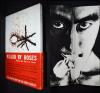 |
Hosoe, Eikoh. Barakei Sguei-sha. (Killed by roses). (Introduction by Yukio Mishima. Design by Kohei Sugiura). Tokyo, Shueisha (1963). Folio (42 x 27 cm.). [104] S. mit 43 Tafeln in Sheet-fed gravure, 2 gefalt. Beilagen u. Orig.-Rechnung für einen dänischen Kunden des Verlags vom 18. August 1964. Illustr. OLn. mit Orig.-Baubinde (″Obi“) u. Klarsichtschutzumschlag in illustr. Orig.-Pappkassette.
Auer 422. Heiting/Kaneko 368 f., 279. The Open Book 194 f. Parr/Badger I, 280 f. (mit mehreren Abb.). Roth, The Book of 101 Books 164 ff. – Erste Ausgabe, das wohl wichtigste japanische Fotobuch der 60er Jahre. – Von E. Hosoe und Y. Mishima im Impressum signiert. Eines von 1500 num. Exemlaren. – „Eikoh Hosoe’s first edition of Killed By Roses is so splendidly packaged that just opening it is a plearure – and the seduction doesn’t stop there. Within a black-and-white cardboard case printed an both sides with photos of carved pendants in thick chains and a fine shower of text is a glossy color cover featuring a photogram of symbolic elements plucked from Hosoe’s hallucinatory narrative, the title superimposed in classical Greek lettering. … The photos that make up the body of the book are inky, sometimes high-constrast gravures that bleed right to the edge of the page and often extend across the entire open spread, given extra impact to images that are already quite arresting. Even if the subject of Hosoe’s photographs weren’t zje author Yushi Mishima, the book would be remarkable for its humid mix of eroticism and myth, queer kitsch and high art“ (A. Roth). – „Both Japanese editions of Barakei (Killed by Roses) are significant, not only because of the remarkable collaboration between Eikoh Hosoe and Yukio Mishima, but also because they were designed by the two most influential Japanese graphic designers of the postwar years – the first edition by Kohei Sugiura and the second by Tadanori Yokoo. Each is an original working of the material in its own right, and the second, one of the most complex bookworks ever made, also memorializes a definingmoment in Japanese culture. … In his preface to the first edition, Mishima was equally disingenous: ‚One day without warning, Eikoh Hosoe appeared before me, and transported me bodily to a strange world.‘ That world, he continued, was ‚abnormal, warped, sarcastic, grotesque, savage, and promiscuous‘. Mishima allowed Hosoe unprecedented directorial freedom, but as in other such close collaborations between photographer and subject, just who had the ultimate control is open to question. What emerged was a series of extraordinary theatrical tableaux – Japanese surrealism meets Italien mannerism – that certainly contributed to the iconicity of Mishima, the samurai saviour of the country’s soul. Hosoe’s images were baroque, kitsch, frequently sadomasochistic, disturbingly narcissistic and clearly homoerotic, despite the presence of women in a number of the pictures“ (Parr/Badger). – Die Kassette etwas berieben, der Acetat-Schutzumschlag um unteren Rand mit kl. Läsuren, vord. Innengelenk minimal angeplatzt, sehr gutes Exemplar mit der fast immer fehlenden Orig.-Bauchbinde. – First edition, probably the most important Japanese photo book of the 60s. – Signed by E. Hosoe and Y. Mishima in the imprint. One of 1500 num. Copies. – The box somewhat rubbed, the acetate dust jacket around the lower edge with small tears, the front inner hinge minimally chipped, a very good copy with the almost always missing original belly band. Schlagwörter: Japan, Nummerierte Bücher, Signierte Bücher |
4.000,-- | |
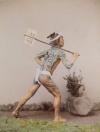 |
Ogawa Kazumasa – Brinkley, F(rancis, ed.). Japan, described and illustrated by the Japanese. Written by eminent Japanese authorities and scholars. 10 Bände. Boston, Mass, J. B. Millet (1897-1898). Folio (41 x 32 cm.). Mit 15 farb. Tafeln (Orchideen und andere Blumen, Collotypes), 30 handkol. Orig.-Photographien (Albuminabzüge, jeweils ca. 25 x 19 cm.), 220 Abb. im Text u. 15 farblithogr. Ornament-Tafeln auf Tonpapier. OHln. mit goldgepr. illustr. Deckelsch. (als Blockbuch gebunden).
Heiting/Ryuichi S. 10 f. (Emperer’s edition). – „Tokyo edition. Limited to five hundred copies, of which this is copy No. 211“. – Die früheste und umfangreichste Buchreihe über Japan mit Orig.-Photographien. – Insgesamt erschienen 7 teils num. Ausgaben. – Die meisten Aufnahmen stammen von dem japanischen Fotopionier Ogawa Kazumasa (auch Ogawa Kazuma oder Ogawa Isshin, 1860-1929), darunter auch die schönen Farbtafeln verschiedener Blumen (die heute noch als Kunstdrucke angeboten werden, vorliegende num. Ausgabe mit 5 zusätzlichen Tafeln), die berühmte Aufnahme des Fuji (″Mount Fuji as seen from Kashiwabara“), japanische Ringer, Frauen bei einer Tee-Zeremonie, „Tatooed Postman“ u. a. – Ogawa studierte bereits als 15jähriger bei Yoshiwara Hideo Englisch und ging 1880 nach Tokio um seine Englischkenntnisse zu verbessern. In Yokohama wurde er von Shimooka Renjo, einem der ersten professionellen Fotografen, ausgebildet. 1882 ging er nach Boston, wo er Kurse in Portraitfotografie belegte und bei der Albert Type Company den Lichtdruck kennenlernte. Nach seiner Rückkehr nach Japan 1884 eröffnete er in Iidabashi (Kojimachi) ein Fotoatelier, das erste in Tokio. Vier Jahre später gründete er eine Fabrik für Trockenplatten und 1889 Japans erste Druckerei für Lichtdrucke (Ogawa Shashin jo). Ogawa war auch Redakteur bei zwei frühen japanischen Fotozeitschriften, die in seinem Unternehmen im Lichtdruck-Verfahren hergestellt wurden. Außerdem war er Gründungsmitglied der Japan Photographic Society. – „By the end of the 19th century the first photographic publications about Japan by a Japanese photographer were published in Boston and London, though Japan showed little interest in them. Many of the early photographs in these „foreign“ publications came from the studio of Ogawa Kazumasa who was also a printer and publisher. He had learned English and the craft of photomechanical printing in Boston. Returning to Japan in 1884, he opened his first studio in Tokyo the next year. At the time, it seems that there were few, if any, Japanese photo publications and most were made for Western consumption. Culturally, Japan was still burdened by its feudal history, which made it suspicious of anything new or Western“ (M. Heiting). – 3 Bände mit Abriebstellen am Bezugspapier, Ecken etwas bestoßen, sonst sehr gut erhalten. – The earliest and most comprehensive series of books on Japan with original photographs. – A total of 7 partly num. editions. – Most of the photographs were taken by the Japanese photo pioneer Ogawa Kazumasa (also Ogawa Kazuma or Ogawa Isshin, 1860-1929), including the beautiful color plates of various flowers (which are still offered as art prints today, this num. Ogawa studied English with Yoshiwara Hideo at the age of 15 and went to Tokyo in 1880 to improve his English language skills. In Yokohama he was trained by Shimooka Renjo, one of the first professional photographers. In 1882 he went to Boston, where he took courses in portrait photography and learned about collotype printing at the Albert Type Company. On his return to Japan in 1884, he opened a photo studio in Iidabashi (Kojimachi), the first in Tokyo. Four years later he founded a dry plate factory and in 1889 Japan’s first collotype printing company (Ogawa Shashin jo). Ogawa was also editor of two early Japanese photographic magazines, which were produced in his company using the collotype process. He was also a founding member of the Japan Photographic Society. – 3 volumes with wear to the cover paper, corners somewhat bumped, otherwise in very good condition. Schlagwörter: Description and travel, Japan, Nummerierte Bücher, Original-Photographie |
3.500,-- | |
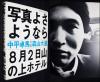 |
Moriyama, Daido – Takuma, Nakahira. Shashin yo sayonara (Farewell, Photography, Bye Bye Photography). Tokyo, Shashin Hyoronsha (1972). Gr.-8°. [308] S. mit teils doppelblattgr. Tafeln in shed-fed-gravure. Orig.-Pappband mit Schutzumschlag.
Auer 543. Heiting/Kaneko 344 f., 256. Parr/Badger I, 298 u. II, 206 u. 318. The Open Book 290 f. Roth, The Book of 101 Books 218 ff. – Erste und einzige Ausgabe, eines der wichtigsten japanischen Fotobücher und des bekanntesten Werks des berühmten japanischen Fotografen. – Dazu: Orig.-Photographie (Silbergelatine, 23 x 15,5 cm.), Rückenakt. verso von D. Moriyama signiert und num. 125/150. – „Chaotic everyday existance is what I think Japan is all about. This kind of theatricality is not just a metaphor but is also, I think, our actual reality“ (D. Moriyama). – „To get even closer to this actual reality, to record it more thruthfully, Moriyama wanted to make himself a machine, to get beyond subjectivity and become more like a camera, and this desire is brought to a new level in ‚Bye, Bye Photography, Dear‘.“ (D. Levi Strauss in Roth). – „Shashin yo sayonara ( Bye Bye Photography) is the most extreme monument of the Provoke period, indeed one of the most extreme photobooks ever published … Moiyama’s vision is entirely consistent, and his willingness to be led to the edge of photography’s coherence is the photographic equivalent of Surrealist automatic writing by a camera that almost has a mind of its own. „I wanted to go to the end of photography“ he declared, and the book is a summation of the Provoke period. It reads like a jerkly hand-held cinéma vérité film“ (Parr/Badger). – Sehr gutes Exemplar. – First and only edition, one of the most important Japanese photo books and the most famous work of the famous Japanese photographer. – Original photography (silvergelatin-print, 23 x 15.5 cm.), back act, signed and numbered 125/150 on verso by D. Moriyama. – Fine copy. Schlagwörter: Japan, Original-Photographie, Signierte Bücher |
5.500,-- | |
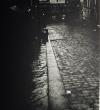 |
(Rothschild, Baron Georges) Philippe de. Diagrammes. (Présentation avec le concours d’André Wisner). Paris, Selbstverlag (Imprimerie de Vaugirard) (1931). 4°. 66 S., [2] Bl. mit 9 Tafeln in Heliogravure. Orig.-Pappband mit illustr. Schutzumschlag in Pappschuber.
Nicht in den einschlägigen Bibliographien. – Eines von 225 num. Exemplaren auf Papier de Rives. – „Tirage limité à 225 exemplaires, dont 25 exemplaires sont nominatifs et 2 exemplaires d’auteur, celui-ci est justifié par le numéro 38. Achevé d’imprimer le 30 octobre 1931 sur les presses de l’Imprimerie de Vaugirard (Paris XVe). Héliographies « Hélio-Vaugirard » d’après les originaux du studio Deberny-Peignot.“ – Mit hervorragenden Aufnahmen des berühmten franz. Unternehmers, Automobilrennfahrers, Kunstmäzens und Weingut-Besitzers. Die Aufnahmen illustrieren literarische Texte des Barons I. Rayon de sports (Mort d’un bateau – Détente – Pulsation). II. Autre triptyque (Dissolution – Nocturne – Dentaire). III. Ciel et terre (Lourdes – Kippour Paris – Mort de Diaghileff). – G. P. de Rothschild (1902-1988), war der Ur-Enkel von Baron Nathaniel de Rothschild, der 1853 das Weingut als Château Brane Mouton erworben und in „Château Mouton-Rothschild“ umbenannt hatte, führte in den 20er und 30er Jahren ein Leben als Playboy, nahm seit 1928 an Grand Prix Rennen (Grand Prix de Nizza, 24 Stunden von Le Mans, Circuit de Monaco) und als Segler an den Olympischen Spielen 1928 in Amsterdam teil. Nach dem Zweiten Weltkrieg wird das Etikett des Château Mouton-Rothschild in jedem Jahr von einem zeitgenössischen Künstler gestaltet. Salvador Dalí (1958), Joan Miró (1969), Marc Chagall (1970), Pablo Picasso (1973) und Georg Baselitz (1989, das „Mauerfall“-Etikett). – Schuber an den Kanten berieben und an einer Kante etwas eingerissen, Rücken berieben und angestaubt, Teile der Deckel durch eine Aussparung des Schubers angestaubt, sonst sehr gut erhalten. – Not in the relevant bibliographies. – One of 225 num. Copies on paper de Rives. – “Tirage limité à 225 exemplaires, dont 25 exemplaires sont nominatifs et 2 exemplaires d’auteur, celui-ci est justifié par le numéro 38. Achevé d’imprimer le 30 octobre 1931 sur les presses de l’Imprimerie de Vaugirard (Paris XVe). Héliographies “ Hélio-Vaugirard ” d’après les originaux du studio Deberny-Peignot.” – With excellent photographs of the famous French businessman, automobile racer. With excellent photographs of the famous French entrepreneur, automobile racer, patron of the arts and winery owner. The photographs illustrate literary texts by the Baron I. Rayon de sports (Mort d’un bateau – Détente – Pulsation). II. Autre triptyque (Dissolution – Nocturne – Dentaire). III Ciel et terre (Lourdes – Kippour Paris – Mort de Diaghileff). – G. P. de Rothschild (1902-1988), was the great-grandson of Baron Nathaniel de Rothschild, who had acquired the estate as Château Brane Mouton in 1853 and renamed it “Château Mouton-Rothschild”, led a life as a playboy in the 1920s and 1930s, took part in Grand Prix races from 1928 (Grand Prix de Nice, 24 Hours of Le Mans, Circuit de Monaco) and as a sailor in the 1928 Olympic Games in Amsterdam. After the Second World War, the Château Mouton-Rothschild label was designed by a contemporary artist every year. Salvador Dalí (1958), Joan Miró (1969), Marc Chagall (1970), Pablo Picasso (1973) and Georg Baselitz (1989, the “Fall of the Wall” label). – Slipcase rubbed at the edges and somewhat torn at one edge, spine rubbed and dusty, parts of the covers dusty due to a recess in the slipcase, otherwise in very good condition. Schlagwörter: Nummerierte Bücher |
600,-- | |
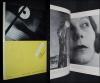 |
Moholy-Nagy, L(ászló). 60 Fotos. 60 photos. 60 photographies. Herausgegeben von Franz Roh. Berlin, Klinkhardt & Biermann 1930. Gr.-8°. 60 S., [2] Bl. mit 60 Abb. auf Tafeln. Illustr. Orig.Kartonumschlag. (Fototek, Band 1).
Auer 158. Dokumentations-Bibliothek VI, 307. Heidtmann 5508. Heiting/Jaeger I, 332 ff. (mit mehreren Abb.). Koetzle 276 (mit Abb.). – Erste Ausgabe. – Buchgestaltung und Typographie: Jan Tschichold. – Mit Einführungen in Deutsch, Englisch und Französisch von F. Roh: „Moholy-Nagy und die neue Fotografie“ und „Der literarische Foto-Streit“. – I. „Hervorragender Querschnitt durch das photographische Werk Moholy-Nagys“ (H. Bolliger). – „Moholys künstlerisches Credo stellte auch die Fotografie absolut in den Rahmen seiner pädagogischen Absicht des ‚Neuen Sehens‘“ (A. Haus in Koetzle). – Moholy wollte die herkömmliche „natürliche“ Wahrnehmung durch den industriellen Blick der Fotografie ersetzen. Die Welt zeigt sich aus bis dahin fast unbekannten Perspektiven, die abgebildeten Gegenstände ordnen sich zu abstrakten Rhythmen unter dem neutralen Auge der Kamera“ (J. Fiedler in Bauhaus, S. 295). – Der ungarisch-US-amerikanische Maler, Photograph, Typograph und Bühnenbildner Laszló Moholy-Nagy (1895-1946) war von 1923 bis 1928 Lehrer am Bauhaus. – Umschlag minimal angestaubt, sehr gutes Exemplar. Schlagwörter: Bauhaus, Neue Sachlichkeit |
1.000,-- | |
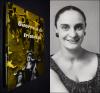 |
Morath – Aubier, Dominique (d. i. Marie-Louise Labiste). Guerre à la tristesse. Photographies de Galle, Chapresto, Nisberg et Inge Morath. (Paris), Delpire (1955). 4°. [129 S. mit zahlr. teils farb. Abb. auf Tafeln. OLn. mit farbig illustr. OU.
Koetzle 312. Lederman/Yatskevich 132 f. – Erste Ausgabe der ersten Buch-Veröffentlichung der österr. Magnum Fotografin I. Morath (1923-2002). – Mit eigenhändiger Widmung von D. Aubier auf dem Titel und Orig.-Photographie, Portrait der Autorin von Inge Morath (17,5 x 12 cm.), rücks. mit eigenhändiger Widmung von D. Aubier und Stempel der Fotografin. – Erschien im selben Jahr auch in deutscher Übersetzung mit dem Titel „Fiesta in Pamplona“ bei Manesse in Zürich. – „Ihr fotographisches Handwerkszeug stammt aus der ‚Schule‘ von Henri Cartier-Bresson und der Magnum-Fotografie der 50er Jahre. … Inge Morath war und ist in diesem Sinne eine Reise- und Reportagefotografin, deren Bildmaterial für die Printmedien vorgesehen ist. Doch daneben entsteht als direkte Antwort auf das ‚bestellte‘ Bild eine Flut von ‚freien‘ Bildern, ein Reservoir an intimen und persönlichen Fotos, deren Zweckfreiheit ihnen eine gleichsam novelistische Erzählebene ermöglicht“ (M. Zuckriegl in Koetzle). – „Aubier’s text that filled with observations – at times philosophical – and anecdotes about Spanisch daily life and the rituals of the bullfight that further deepen Morath’s personal and intimate photographs. Through the interplay of words and images the viewer senses the tradition, ceremony and anticipation that underlie the San Fermin Festival“ (Lederman/Yatskevich). – Die franz. Schriftstellerin D. Aubier (1922-2014) lebte seit 1960 in Carboneras (Provinz Almeria). – Sehr gutes Exemplar. Schlagwörter: Original-Photographie, Signierte Bücher, Spanien, Stierkampf, Widmungsexemplar |
280,-- | |
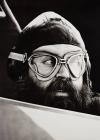 |
Horowitz, Michael. Menschenbilder. Photos von Michael Horowitz aus den Jahren 1966 bis 1986. Wien, MHM Michael Horowitz Media (2004). Folio (36 x 27 cm.). 272 S. mit 150 teils doppelblattgr. Tafeln u. 1 mont. Orig.-Photographie (29 x 20,5 cm., Helmut Qualtinger mit Fliegerbrille). OLn. in Orig.-Leinenschuber.
Eines von 300 num. Exemplaren der Vorzugsausgabe (GA 3000 Exemplare). – Von M. Horowitz signiert. – „Der Bildband „Menschenbilder“ ist ein Werk mit Bildern, die Geschichten erzählen. Von 1966 bis 1986 gelang es Michael Horowitz verschiedenste Menschen aus der Reserve zu locken und ihre größten Geheimnisse auszuplaudern. So entstand eine Reihe von Bildern mit Persönlichkeiten von Thomas Bernhard und Elias Canetti, Helmut Qualtinger und Oskar Werner über Karl Böhm und Herbert von Karajan, Klaus Maria Brandauer und Paula Wessely bis hin zu John Lennon, Sir Peter Ustinov und Andy Warhol“ (M. H.). – Tadellos. Schlagwörter: Nummerierte Bücher, Original-Photographie, Portrait photographers, Portrait photography, Portraitphotographie, Portraits, Porträtfotografie, Porträtphotographie, Signierte Bücher |
200,-- | |
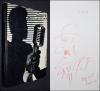 |
Presser, Beat. Coming attractions. Basel, IAC, Inter Art Coperation (1984). 4°. [52] Bl. mit 72 teils doppelblattgr. Tafeln. Illustr. OPbd.
Erste Ausgabe des ersten Fotobuchs des Schweizer Fotografs und Filmemachers B. Presser (geb. 1952). – Mit eigenhändiger Widmung und Zeichnung von B. Presser. – „In der Aufarbeitung seiner Rohstoffe aus Bildschirm, Studio oder Druckerzeugnis bringt Beat Presser jene scheinbare Nonchalance zum Ausdruck, die typisch ist für seinen Lebensstil. Urban hektisch, fiebrig und zugleich cool, exzentrisch und engagiert, verrückt und doch streng bestimmt wirken die Bildfolgen dieses Buches dann aber auch im Einzelnen. Als Ganzes spiegeln sie jedoch den überragenden Geist eines Mannes, der seine nicht einfach nur modische, sondern auch sehr aktuelle Kunst in den Dienst der Philosopie stellt: Der Suche nämlich nach der Wirklichkeit unserer Tage“ (Gérard Wirtz S. 5). – B. Presser wurde besonders mit seinen Aufnahmen von Klaus Kinski, darunter Film-Stills aus Werner Herzogs „Fitzcarraldo“ und „Cobra Verde“, bekannt. – Rücken am Fuß geringf. beschädigt, gutes Exemplar. Schlagwörter: Originalzeichnung, Portrait photographers, Portrait photography, Porträtfotografie, Porträtphotographie, Signierte Bücher, Widmungsexemplar |
100,-- | |
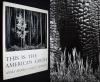 |
Adams, Ansel and Nancy Newhall. This is the American earth. Fifth printing. San Francisco, Sierra Club (1971). Gr.-4°. XVIII, 89 S. mit 79 teils ganz- u. doppels. Abb. OLn. mit illustr. OU.
Erschien zuerst 1960. – Mit Aufnahmen von A. Adams, Ray Atkeson, Ferenc Berko, Werner Bischoff, Margaret Bourke-White, Henri Cartier-Bresson, Francis Frith, Clarence Kennedy, Jacob Riis, Charles Rotkin, Charles Savage, Brett u. Edward Weston, Minor White u. a. – Sehr gutes Exemplar. Schlagwörter: Landschaftsfotografie, National parks and reserves, Photography, United States, USA |
50,-- | |
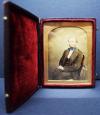 |
Portrait eines jungen Mannes, auf einem Stuhl sitzend, nach links dem Betrachter zugewandt. Handkolorierte Orig.-Photographie (Albuminabzug). London, The London School of Photography um 1865. 9,5 x 6,5 cm. unter goldfarb. Passepartout. Dunkelrotes Orig.-Lederetui, mit Samt gefüttert u. goldgepr. Adresse auf dem Rückendeckel.
Schönes Studioportrait eines blonden Mannes mit Backenbart in Frack und mit Blau kolorierter Fliege, daneben ist ein Buch auf einem Beistelltisch zu sehen. – Sehr gut erhalten. Schlagwörter: Original-Photographie, Portrait photography, Portraitphotographie, Portraits, Porträtfotografie, Porträtphotographie |
80,-- | |
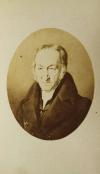 |
Winter – Les Alsacíens illustres. portraits en photographie avec notices biographiques. Première livraison: Geiler de Kaysersberg. – Jacques Sturm. – Schoepflin. – J. L. Herrenschneider. Photographies par Ch(arles) Winter. Strasbourg, Schmidt 1864. 8°. 5 Bl. u. 5 (statt 4) Orig.-Photographien (Albuminabzüge) nach gezeichneten Portraits. Typogr. OBr.
Vgl. Roosens/Salu 11071: „Charles Winter, photographe, un pionnier strasbourgeois, 1821-1904“, Strasbourg 1985. – Insgesamt erschienen 6 Lieferungen mit zus. 24 Photographien. – Das Portrait von Herrenschneider doppelt beigebunden. – Umschlag etwas angestaubt, Exlibris, sehr gutes Exemplar. Schlagwörter: Elsass, Portrait photography, Portraitphotographie, Portraits |
50,-- | |
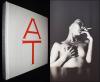 |
Comte, Michel. Aiko T. Göttingen, Steidl 2000. Quer-4°. [124] S. mit 45 teils farb. Duotone-Tafeln. Orig.-Leinenband mit Klarsicht-Schutzumschlag in Orig.-Pappschuber.
Erste Ausgabe. – Eines von 500 num. Exemplaren, von M. Comte signiert. – „Michel Comte’s book of erotic photographs of a Japanese geisha by the name of Aiko T. A hotel room in 1990 was the site of this artistic collaboration between photographer and model: clothed, then nude; coy, then claiming the delights of self-pleasure; self-possessed yet toying with notions of power and submission-Aiko T is a master of her art before Comte’s lens. The haptics of the resulting book object-clothbound and embossed, wrapped in clear acetate and housed in a slipcase-mimic the sensuous experiences depicted within“ (G. Steidl). – Tadellos. Schlagwörter: Aktfotografie, Aktphotographie, Nummerierte Bücher, Photography of the nude, Signierte Bücher |
280,-- | |
 |
Shabazi, Shirana. Goftare Nik. (Good words. Text: Beatrix Ruf). Zürich, Codax (2001). 4°. 87, (1) S. mit 47 teils doppelblattgr. Farbtafeln. OPbd.
Schweizer Fotobücher 490 ff. – „In der Zeit zwischen dem Mauerfall und 9/11, als manche sich schon Ende der Geschichte wähnten, erfreute sich das Thema „Identität“ grosser Beliebtheit in Theorie und Kunst. … Ganz in diesem Geiste prüfte die im Iran geborene Künstlerin Shirana Shabazi (*1974) in ihrem ersten Buch Goftare Nik das Vermögen der Fotografie, etwas über die Kultur ihres Heimatlandes auszusagen; sie unternahm zugleich den Versuch, blosszustellen, wie sehr orientalistische Klischees unseren Blick auf diese Bilder prägen. Shabazi wurde 1974 in Teheran geboren, wanderte 1985 nach Deutschland aus und kam 1997 nach Zürich, um an der Schule für Gestaltung (heute Zürcher Hochschule der Künste) Fotografie zu studieren“ (M. Jaeggi). – Sehr gutes Exemplar. Schlagwörter: Iran |
50,-- | |
|
Einträge 501–550 von 828
|
|||